
Let's be real saving money shouldn't feel like punishment. Yet somehow, most financial advice makes it sound like you need to live on ramen noodles and cancel all fun forever. Here's the truth: smart money-saving isn't about depriving yourself; it's about getting sneaky strategic with your spending. These methods aren't just budget-friendly; they're lifestyle upgrades disguised as cost-cutting measures.
The Psychology Hacks That Actually Work
Your brain is constantly working against your wallet, but once you understand the tricks, you can flip the script and make saving feel effortless. Think saving money means eating ramen every night and giving up Netflix forever? Forget that. What you need is a set of smart, practical moves that slide into your life instead of blowing it up. You're about to discover clever hacks that ask for very little effort, but bring big results and make it actually feel easy to stash cash.
Here are some "tips&tricks"
The Envelope Revelation: Forget complicated budgeting apps. Take out cash for discretionary spending and put it in labeled envelopes; dining out, entertainment, shopping. When the envelope is empty, you're done. It's impossible to overspend what isn't there, and the physical act of handing over cash makes every purchase feel real.
The 24/48/72 Rule: Want something? Wait 24 hours for purchases under $50, 48 hours for under $100, and 72 hours for anything bigger. Most "must-have" items reveal themselves as "meh, whatever" after the initial excitement wears off. Your future self will thank you for not impulse-buying that kitchen gadget you'll use twice.
The Screenshot Strategy: Before buying anything online, take a screenshot and save it to a "Maybe Later" album on your phone. Revisit it weekly. You'll be amazed how many things you were "dying to have" suddenly seem completely unnecessary a week later.
The App Inventory: Download a subscription tracking app or manually list every recurring charge. Include the obvious ones (Netflix, Spotify) and the sneaky ones (that photo storage you forgot about, the meditation app you used twice). Most people discover they're spending $200-400 monthly on subscriptions they barely use.
The One-Month Challenge: Cancel everything except absolute essentials for one month. See what you actually miss versus what you just thought you needed. Keep only what genuinely improves your life and ditch the rest.
Food expenses are where good intentions meet harsh reality. But with some strategic planning, you can eat well without eating through your savings. Spend 2-3 hours on Sunday preparing base ingredients grilled chicken, roasted vegetables, cooked grains. Mix and match throughout the week. You'll eat healthier, save time, and slash your food budget by 60-70%. Plus, you'll stop ordering takeout when you're too tired to cook.

The Hidden Money Drains
These sneaky expenses add up faster than you think, but they're easy to plug once you spot them. Little leaks might seem harmless, but together they quietly pull money away from the things you actually care about. But that is not the goal...therefore here are some ways that have been proven efficent enough for saving.
The good news? Once you shine a light on these drains, they lose their power. It’s not about cutting out every little joy, it’s about catching the silent habits and forgotten subscriptions that aren’t really serving you.
Think of it as cleaning out your wallet the same way you’d tidy a closet: keep what fits, ditch what doesn’t, and suddenly you’ve got more room for what you really want. Here are some proven ways to stop the leaks and give your savings a solid boost.
Save some more...
The Automatic Savings Hack: Set up automatic transfers to savings the day after payday, before you get used to having the money. Start small, even $25 weekly builds an emergency fund faster than you think.
The Envelope Method 2.0: Create digital "envelopes" using multiple savings accounts, one for vacation, one for car repairs, one for gifts. Automate small transfers to each. When you need the money, it's there without guilt because you planned for it.
The "No-Spend" Month Challenge: Pick one category monthly and spend nothing on it. No restaurants in January, no new clothes in February, no entertainment subscriptions in March. You'll discover how much you waste on automatic spending and find free alternatives.
The 80/20 Savings Rule: Focus on the changes that save the most money with the least effort. Cutting $500 in subscription fees once beats trying to save $5 on coffee daily for months.
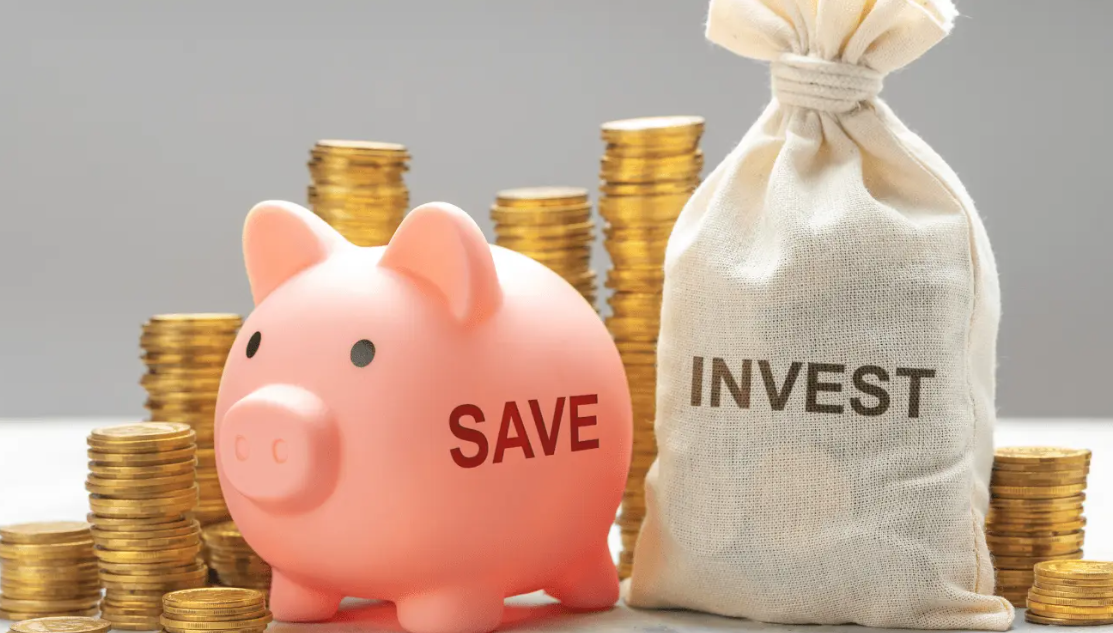
Piggybank is full?
Remember, the goal isn't to live like a monk it's to redirect money from things that don't matter to things that do. Every dollar you save is a dollar you can spend on experiences, investments, or simply peace of mind. Your wallet will thank you, but more importantly, your future self will thank you for starting today rather than waiting for the "perfect" time to begin saving. Small changes compound into big results, and the best money-saving method is simply the one you actually use.
Think of it this way every choice you make adds up. Cancel that one subscription you never use, and suddenly you’ve freed up cash for something you’ll actually enjoy. Prep a week of meals instead of grabbing takeout, and you’ve got money to stash or spend on something meaningful. These aren’t sacrifices, they’re swaps. And the more you make, the more control you take back over your money.
At the end of the day, saving isn’t about deprivation, it’s about direction. You’re not cutting yourself off from fun you’re choosing a future where you call the shots.
That’s real freedom, and it starts with the simple steps you take today.