
There’s a growing shift in how families think about playtime. It’s no longer just about filling the hours between meals and bedtime. Today, play is viewed as a core part of a child’s development, identity, and emotional world. What’s interesting is that many parents say they’ve rediscovered the power of imaginative play because of brands that make it easier, more inspiring, and less overwhelming. One of the names that consistently comes up in these conversations is TINY LAND.
From elevated pretend play sets to cozy play furniture, TINY LAND has helped parents turn living rooms, bedrooms, and even tiny corners into mini worlds that spark creativity. But what makes this brand feel different, useful, and genuinely life-improving? Let’s break down how a simple focus on play is changing family routines in real, meaningful ways.
Why Are Families Craving More Meaningful Play?
Modern families are stretched in ways previous generations didn’t experience, and many parents admit they want to be more intentional with the time they spend with their children. Products from TINY LAND help bridge this gap by offering play tools that encourage deeper interaction.
The brand focuses on play styles that naturally create bonding moments. Their pretend play sets, wooden toys, and activity corners give kids a space to open up, involve their parents, and express themselves more freely. Because the pieces are simple yet engaging, they allow the child to lead the moment, not the toy.
Parents also appreciate that TINY LAND designs toys that grow with the child. Whether it’s suitable for babies, toddlers, preschoolers, or kids over six, the brand makes sure each age group has something enriching to explore, making long-term use easier and more practical.
What Makes Their Toys Feel So Thoughtful and Helpful?
A huge part of the appeal is the sensory-first approach. Many toys overstimulate with sounds and lights, but TINY LAND leans into textures, natural materials, and hands-on experiences.
This supports:
- Fine motor skills
- Early problem solving
- Emotional regulation
- Cooperative play
Parents say that their children play longer and calmer with toys from TINY LAND because the toys give them room to think instead of overwhelming them. The brand’s educational toys are especially popular among families seeking screen-free alternatives that still feel exciting.
Another unexpected benefit is how durable everything feels. Many pieces are made to survive playroom chaos, accidental drops, or sibling battles. This makes the toys more economical long term, with many families passing them down to younger kids.
How Do These Play Pieces Change Everyday Routines?
Good toys don’t just entertain kids. They make the household run more smoothly, which is something parents often underestimate until they experience it. Many families say TINY LAND toys help establish better routines because they keep children engaged independently.
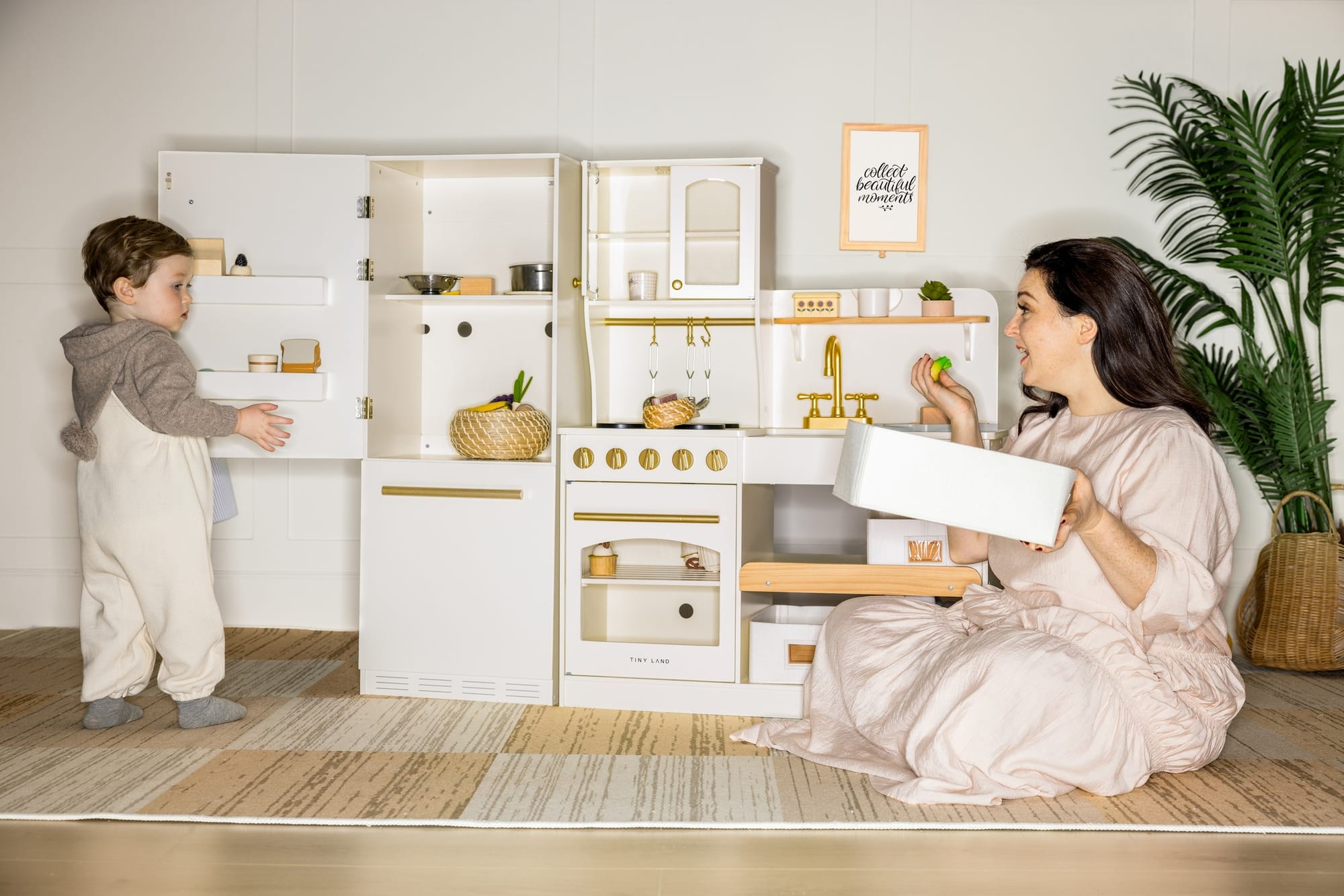
For example, creating a small pretend play kitchen or a reading nook makes transitions easier. Kids know exactly where to go for quiet time or imaginative time, and this lowers stress for both parent and child.
A child who wakes up early can quietly play in their dedicated area. A toddler who struggles with separation can stay occupied while still feeling safe. A preschooler learning responsibility can practice cleaning up in a playful way. These small changes add up, making daily life feel more organized.
Why Are Play Furniture Pieces Becoming Household Essentials?
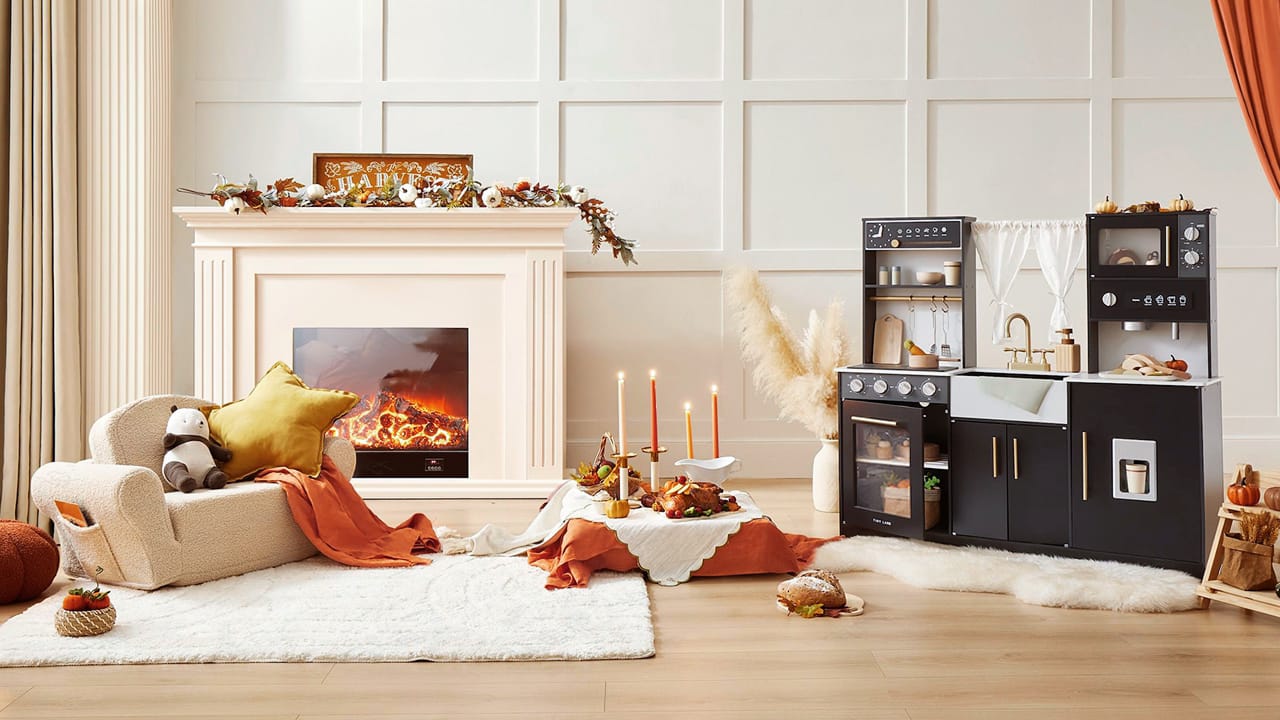
Play furniture is becoming the new interior trend, and TINY LAND is part of the reason. Parents love that their pieces blend into modern homes instead of clashing with them.
From play tents to wooden climbers, the designs look calm, aesthetic, and warm, making them feel more like part of the home rather than something temporary. This encourages kids to use them regularly, creating safe and familiar play zones.
Parents also appreciate that the furniture helps children build confidence. Play kitchens, climbers, and craft tables from TINY LAND give kids a sense of independence because the spaces are sized specifically for them. When a child has their own setup, they naturally take pride in using it.
What Should Parents Consider When Choosing Play Essentials?
When navigating the world of kids’ products, it can be overwhelming. Here are a few practical things parents often consider when choosing items from TINY LAND:
- Does it support open-ended play?
- Will it grow with the child?
- Is it safe, sturdy, and long lasting?
- Does it encourage creativity or movement?
- Does it fit comfortably in the space?
The brand organizes its collections by age group, from babies to kids over six, which helps parents pick items that match developmental needs. The categories like Pretend Play, Educational Toys, Active Toys, and Gift Guides make the shopping experience easier and more intentional.
How Does It Actually Make a Difference at Home?
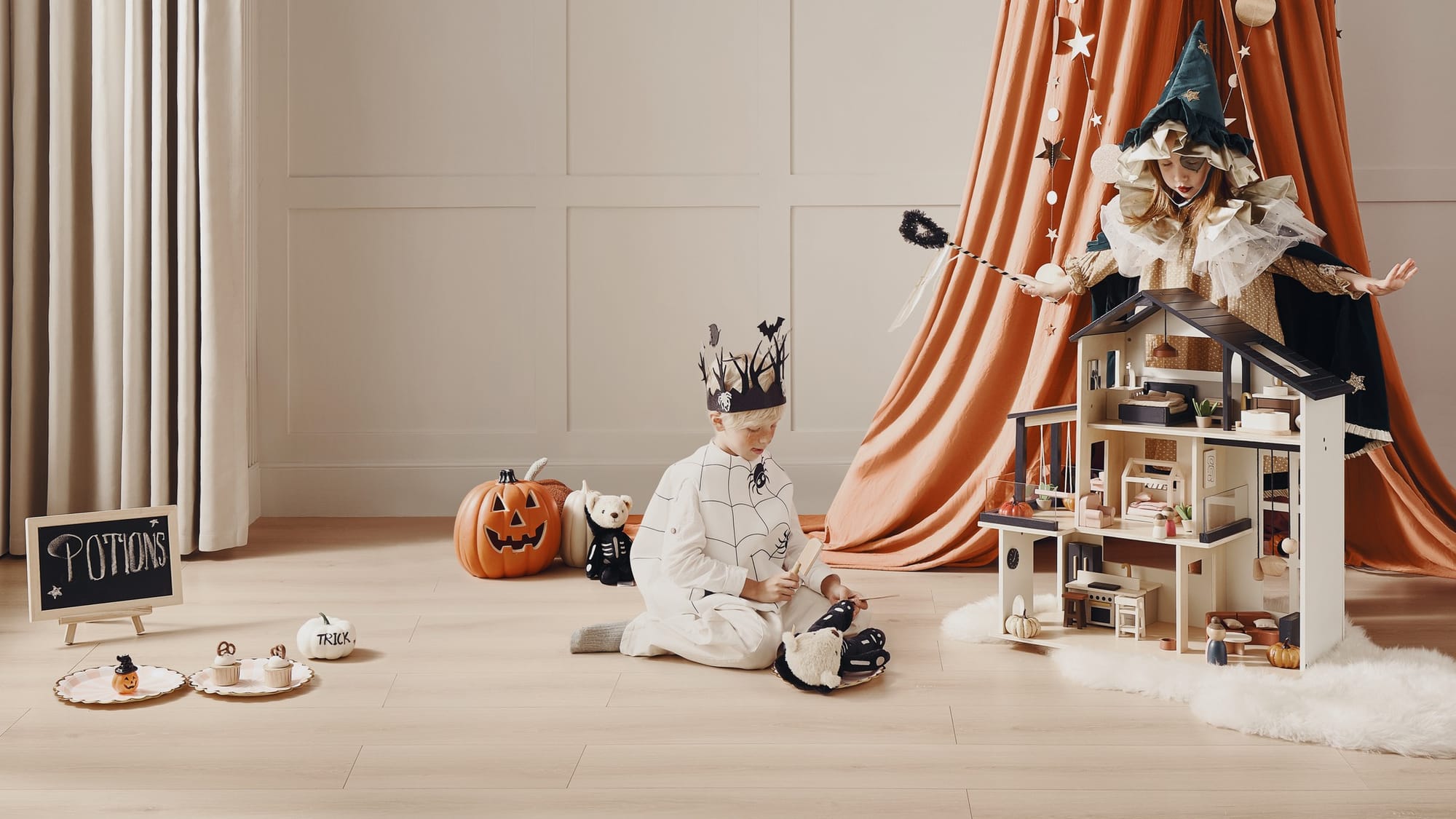
Families who invest in long lasting play tools often say the changes are subtle but meaningful. Playtime feels calmer, kids become more expressive, and the home flows better because children have places where they feel fully free to imagine.
Many parents mention that products from TINY LAND become the heart of their children’s routines. A teepee becomes the nightly reading spot. A play kitchen becomes the Saturday morning activity. A climber becomes the go to energy release tool.
Over time, these habits build emotional security and independence. The toys become more than toys. They become anchors that help children grow confidently.
At a time when families are trying to balance modern life with meaningful connection, brands like TINY LAND are helping reshape how children play, learn, and communicate. Their thoughtful designs support development without pressure, encourage creativity, and blend seamlessly into family routines. The result is a calmer home, happier playtime, and kids who feel supported in the most natural way.