
Let's be honest, your grandma's shopping routine probably seemed painfully old-fashioned. Those handwritten lists, the loyalty to specific stores, the way she'd inspect every apple like she was buying diamonds, it all felt so... inefficient. But here's the plot twist: while we've been busy revolutionizing retail with one-click purchases and same-day delivery, grandma was quietly mastering the art of smart consumption. Turns out, her "outdated" methods were actually financial wizardry disguised as Sunday afternoon errands.
The Slow Shopping Revolution (That Never Left)
Think of modern shopping as speed dating fast, superficial, and often ending in regret. Grandma's approach was more like a long courtship: deliberate, thoughtful, and built to last. She didn't just buy things; she invested in relationships with products, stores, and her own financial future. Her shopping philosophy was refreshingly simple: why complicate something that works?
The Weekly Ritual: Forget impulse buying and random grocery runs. Grandma had a system one shopping trip per week, planned like a military operation. She knew exactly what she needed, where to find it, and what it should cost. No wandering aimlessly through Target wondering how she spent $200 on "just a few things."
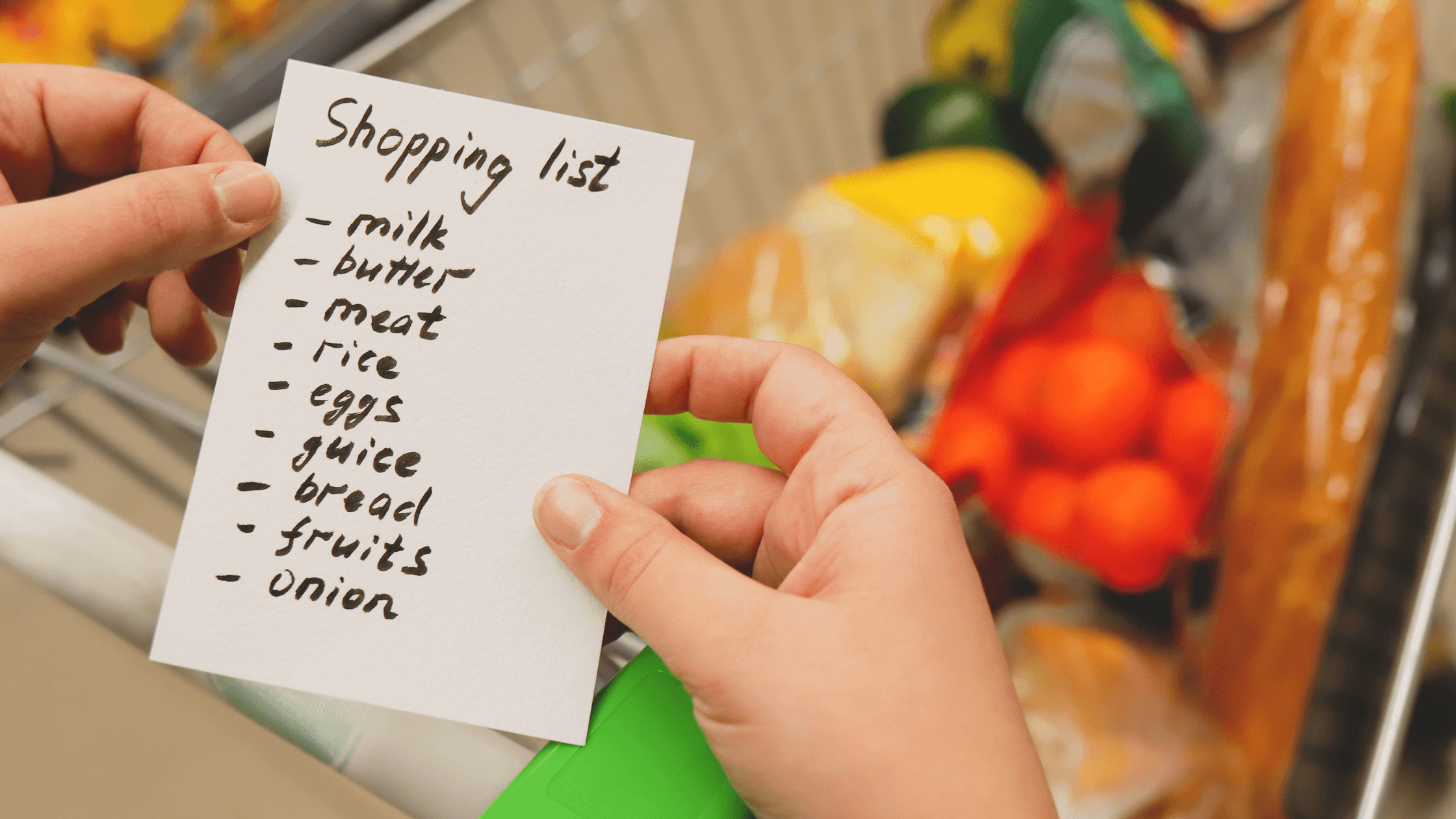
The List That Actually Worked: While we're frantically typing notes into our phones (and promptly forgetting about them), grandma's handwritten list was a work of art. Organized by store layout, prioritized by importance, and written in that unmistakable cursive that somehow made milk and bread look elegant. The physical act of writing meant she actually remembered what was on it.
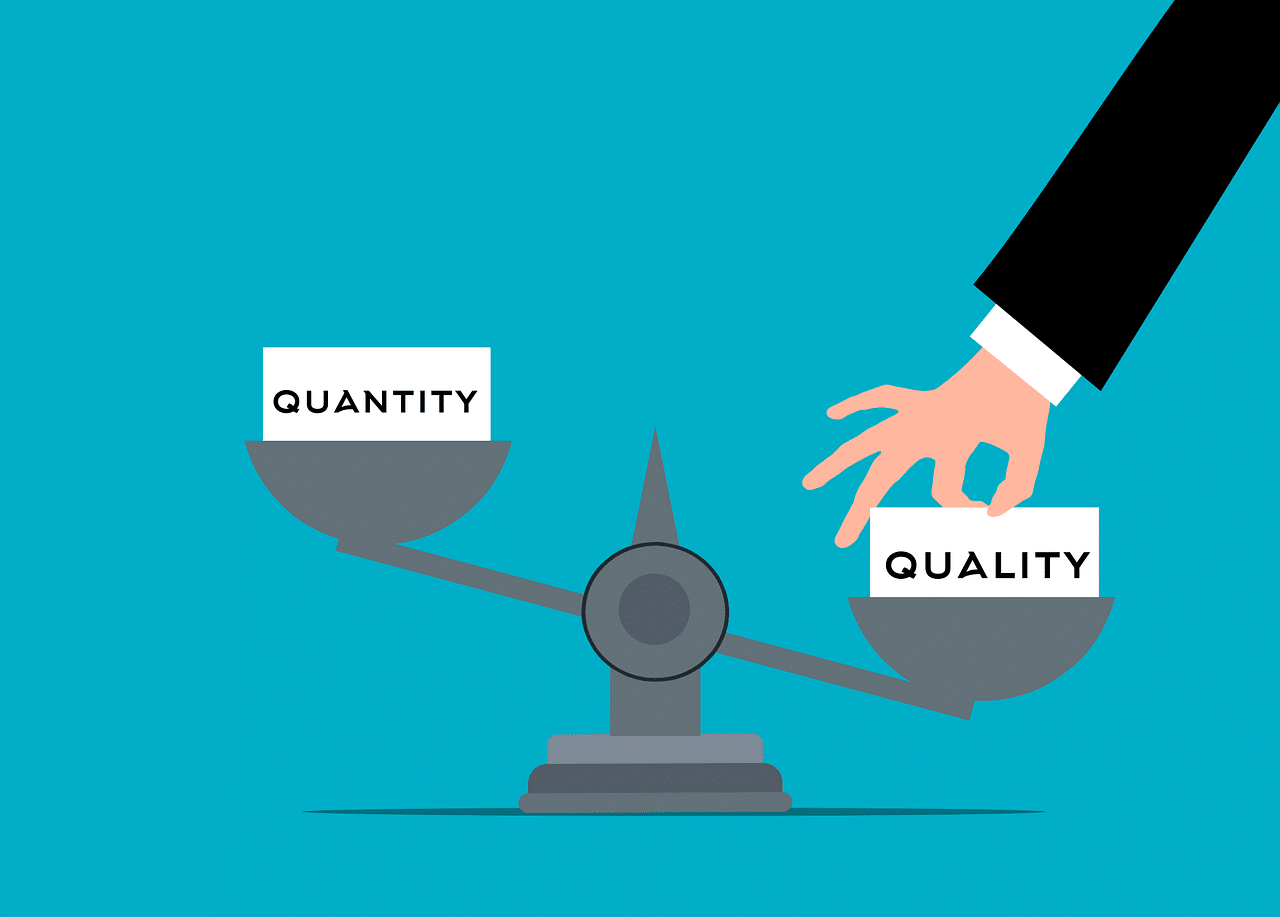
Quality Over Quantity: Grandma bought one good winter coat that lasted 20 years instead of five cheap ones from fast fashion retailers. Her kitchen appliances were built like tanks, her furniture was solid wood, and her handbags survived decades of use. She understood that true economy comes from buying less, but buying better.
The Relationship Economy: She didn't just shop at stores, she knew the butcher, the baker, and yes, probably the candlestick maker. These weren't just transactions; they were relationships that came with perks: the best cuts of meat, insider tips on sales, and service that made every shopping trip feel personal.
The Lost Art of Actually Knowing Prices
Here's where grandma's genius really showed: she had prices memorized like multiplication tables. She knew milk cost $X, bread cost $Y, and when either went above that threshold, something was up. No smartphone price-checking apps needed her brain was the original barcode scanner.
This wasn't obsessive penny-pinching; it was strategic awareness. She could spot a genuine deal from a marketing gimmick at fifty paces. While we're falling for "Buy 2 Get 1 Free" offers on things we don't need, grandma was calculating actual unit prices and walking away from fake bargains with the confidence of someone who'd seen every sales trick in the book.

The Receipt Ritual: Every receipt was kept, organized, and reviewed. Not because she was paranoid, but because she understood that knowledge is power. She knew her spending patterns, could track price fluctuations, and caught overcharges before they became accepted reality.
Cash Was King: No credit card debt, no mysterious charges appearing weeks later. Cash meant immediate awareness of what you're spending, physical limits on impulse purchases, and zero interest payments. The envelope system wasn't primitive it was bulletproof budgeting.
Why Modern Shopping Has Lost Its Way
We've traded grandma's wisdom for convenience, and the results speak for themselves:
The Amazon Problem: One-click purchasing has eliminated the natural pause that prevents bad decisions. Grandma had to physically go to stores, which created time for second thoughts.
Choice Paralysis: Grandma shopped at three stores maximum and knew their layouts by heart. We have infinite options and infinite confusion, leading to decision fatigue and poor choices.
Marketing Manipulation: She shopped with purpose and left when done. We browse for entertainment and get trapped by algorithms designed to make us buy more.
The Subscription Trap: Grandma paid for things once. We're paying monthly for everything, often forgetting what we're even subscribed to.
Instant Gratification Addiction: The delay between wanting something and getting it used to be a feature, not a bug. It gave time for rational thought to override emotional impulses.
The irony? Technology promised to make shopping smarter, but it's made us less thoughtful consumers. We have more information than ever but make worse decisions. We can compare prices instantly but rarely do. We can read thousands of reviews but still end up with buyer's remorse.
The Grandma Method for Modern Times
You don't need to abandon online shopping entirely, but borrowing some grandma wisdom might revolutionize your relationship with money:
The 24-Hour Rule: Before any non-essential purchase, wait a day. Grandma couldn't impulse buy because stores closed at 6 PM and weren't open on Sundays. Create your own friction.
Know Your Numbers: Pick five things you buy regularly and memorize their normal prices. You'll spot real deals and avoid fake ones.
Shop with Purpose: Make a list, stick to it, and leave when you're done. Browsing is expensive entertainment.
Build Relationships: Find stores and salespeople you trust. Good service and honest advice are worth their weight in gold.
Quality Calculations: Before buying anything that should last, calculate cost per use. That expensive jacket might be cheaper than three cheap ones over five years.
Cash Challenges: Try using cash for discretionary spending for a month. Watch how quickly you become mindful of every dollar.
The Wisdom We Threw Away
Grandma's shopping habits weren't quaint relics of a simpler time they were sophisticated strategies developed through necessity and refined by experience. She lived through real economic hardship and learned that financial security comes from conscious consumption, not convenient consumption.
Her methods worked because they were based on timeless principles: know what you're spending, buy quality when it matters, build relationships, and never shop emotionally. These aren't old-fashioned ideas; they're timeless wisdom that's more relevant than ever in our age of overconsumption and financial stress.
While we've been busy disrupting retail, grandma had already perfected it. Her shopping habits weren't just smart they were sustainable, intentional, and designed for long-term prosperity rather than short-term satisfaction.
Maybe it's time to slow down, write an actual list, and shop like the financial genius your grandmother always was. Because in a world of infinite choices and instant gratification, the old ways might just be the smartest path forward.

After all, there's a reason she lived through the Depression and still had money in the bank. Her shopping habits weren't just genius they were survival skills disguised as Sunday errands.